

Why You Should Never Throw A Lithium-Ion Battery In The Trash
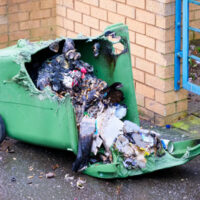
When lithium-ion batteries expire, you can’t just throw them in the trash. The EPA recommends that consumers do not place these batteries in garbage cans or recycling bins. Rather, they should be taken to proper locations for battery recycling or disposal of hazardous household waste.
What makes discarded lithium-ion batteries so dangerous?
The problem is that even when a lithium-ion battery is no longer able to provide power, it is still potentially unsafe and a fire hazard. The risk of injury or fire remains high despite the fact that the battery is used up.
This issue only increases once the battery reaches the landfill. Waste disposal trucks tend to have compactors, while recycling centers have sorting machines. If the battery gets crushed by any of those machines, it can short-circuit, which could trigger thermal runaway.
Thermal runaway is a process whereby the battery generates heat faster than it can dissipate it, leading to the possibility of fire or explosion. This means that even a relatively small battery can set fire to anything around it, such as paper, plastic, cardboard, and other flammable garbage.
Battery fires endanger workers and property
Improper disposal of batteries is hazardous not only to the person disposing of them but also to workers in garbage trucks, recycling plants, and waste processing plants, among others, who may not be aware of the lithium-ion battery’s presence.
This issue is becoming more of a problem, as recent reports from the United Kingdom indicate that there have been 1,518 fires in waste and recycling plants from March 2025 to March 2026. Of these fires, 541 have been attributed directly to batteries, and experts believe the figure could be much higher. In addition, there have been 216 fires within garbage trucks.
The EPA has likewise identified discarded lithium-ion batteries as being a threat to waste management facilities within the United States.
How should consumers dispose of lithium-ion batteries?
Disposing of a battery in the municipal recycling bin is no less hazardous than disposing of it in the regular trash. Disposing of them in either is potentially dangerous.
The EPA advises consumers to deposit lithium-ion batteries in special collection centers. Before transporting, consumers can minimize the hazard by taping the battery terminals with insulating tape or wrapping each battery in a separate plastic bag. For damaged batteries, take special precautions; instructions are available from the manufacturer.
Lithium-ion battery fires have serious consequences
While lithium-ion batteries are a major technological development, consumers should be aware that they must be handled appropriately at all times throughout their full lifetime. Poorly disposed batteries can cause fires, burns, smoke inhalation, property damage, and hazards to sanitation workers and first responders.
Thus, appropriate disposal of lithium-ion batteries is not just an environmental problem. It is one of the most important ways to prevent fires caused by these batteries.
Talk to a Lithium-Ion Battery Product Liability Lawyer Today
If you’ve been injured due to a defective lithium-ion battery, you may be entitled to file a lawsuit against the company that manufactured the battery and others in the supply chain who made it available at market. Halpern, Santos & Pinkert represents the interests of injured plaintiffs in lithium-ion battery lawsuits. Call our Florida personal injury lawyers today to schedule an appointment, and we can begin investigating your case right away.
Source:
epa.gov/recycle/frequent-questions-lithium-ion-batteries