

When Battery Control Systems Fail: Hidden Defects That Can Lead To Lithium-Ion Fires
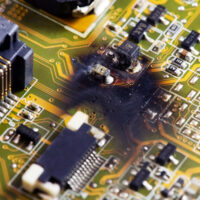
Lithium-ion batteries are used in a wide variety of devices, including cell phones, laptops, electric bicycles, and power tools. In cases involving battery fires, most of the focus will fall on the battery itself. However, there is another very important device that helps keep lithium-ion batteries safe: the battery control system (battery control system).
The battery control system is basically the electronic brain of many lithium-ion batteries, controlling the operation of the battery pack. This means that failure of the device due to design or manufacturing defects could cause overheating, fire, or even explosions. In cases where a defective battery control system causes damage, it falls under product liability law.
What does a battery control system do?
A battery control system is responsible for the constant monitoring of a lithium-ion battery during charge, discharge, and daily use modes. It helps preserve battery cells within safe operating parameters.
Some of the functions of a battery control system can include:
- Monitoring the battery temperature
- Protection against overcharge and discharge
- Equalizing the voltage on the battery cells
- Monitoring electrical failures
- Shutting down the battery in case of safety risks
Otherwise, lithium-ion batteries will be highly vulnerable to dangerous incidents.
How battery control system defects can result in fires
A battery control system is an electrical device; hence, it can be faulty like any other electrical component. When the battery control system is unable to perform its intended tasks, hazardous situations can occur within the battery.
The faults include:
- Overheating detection failure
- Damaged temperature sensors
- Wrong voltage measurements
- Faulty software programming
- Defective circuitry and electronics
- Charging failure after the batteries reach full charge
The failure of the battery control system can allow excessive heat to accumulate within the battery cells. This, in turn, can trigger a thermal runaway, a cascade reaction which causes one cell after another to burst into flames.
Who is responsible?
When a malfunctioning battery control system is involved in a battery fire, the liability does not always rest solely with the battery manufacturer. Depending on the situation, others can be held accountable. Such parties include:
- The manufacturer of the battery control system
- The designer of the battery pack
- Defective electronics manufacturers
- Firmware/software manufacturers
- Retailers who supplied the defective product
Establishing liability in such cases will usually involve fire and engineering experts inspecting the failed battery system.
Preserving evidence is extremely important
If there is a fire involving a lithium-ion battery, keeping evidence is extremely important for your product liability lawsuit.
Victims must, if at all possible, keep:
- The malfunctioning battery pack
- The battery control system
- The charger
- Proof of purchase including receipts and packaging
- Pictures of the fire and its aftermath
Such evidence might help experts determine the possibility of any internal defect in the battery control system.
Talk to a Defective Lithium-Ion Battery Lawyer Today
Lithium-ion battery fires can be prevented with battery control systems. If any deficiencies in these systems cause a fire, which otherwise could have been prevented, the manufacturers and other entities are liable for injuries and property damage caused by the fire.
The lithium-ion battery attorneys at Halpern, Santos & Pinkert help those who have been injured due to defective lithium-ion batteries hold responsible parties accountable for their injuries. Call our Florida personal injury lawyers today, and we can begin investigating your case immediately.