

Lithium-Ion Battery Fires And Incompatible Chargers: What Consumers Need To Know
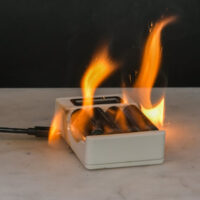
Lithium batteries supply energy to phones, laptops, scooters, e-bikes, electric power tools, and numerous other everyday things. Despite their efficiency and practicality, their recharging requires particular safety measures. An inappropriate charger may lead to overheating and even fires.
It might seem like any plug that fits can be used safely, but that is not the case. According to the US Fire Administration, you should use charging accessories that are provided with the product or otherwise compatible.
Why does the correct charger matter?
Lithium-ion batteries are meant to operate at specific voltages, currents, and temperatures. The battery incorporates electronics into the charging station system to control the charge process and eliminate any risks.
Nevertheless, problems can arise if the battery is charged using an inappropriate device that does not match the product in terms of compatibility.
For example, the United States Consumer Product Safety Commission (CPSC) issued a warning to consumers about using “universal” chargers for charging their e-bikes and micromobility products recently. In 2024, according to the commission, there were 156 reports of fires or thermal events related to such chargers from January 2023 to May 2024.
In the words of the CPSC, even if the universal charger looks like it’s compatible with the battery, it still may be incompatible. The charging process with such chargers may result in an ignition event.
How can charging lead to thermal runaway?
Thermal runaway is one of the major dangers associated with lithium-ion batteries. It arises when the battery produces heat at a rate higher than what it can dissipate. It leads to a self-reinforcing chain reaction that may result in high temperatures, possibly leading to fire, gas venting, or even an explosive event.
Charging issues are especially hazardous because gadgets are often charged for too long and even put close to pieces of furniture, carpets, or other flammable items.
Users should be aware of warning signals such as overheating, swelling, unusual smell, sound, smoke, or alteration of the appearance of the battery. If a device shows signs of malfunctioning of the battery, it is not enough to just plug it in again to see if it works.
Who is responsible when a charger catches fire?
Your lithium-ion battery may explode or catch fire during charging, but that doesn’t mean the battery itself is to blame.
In an investigation of the fire’s cause, several entities can be involved, including the manufacturer of the battery, the manufacturer of the charger, the manufacturer of the device, the distributor, the importer, and the retailer.
Talk to a Lithium-Ion Battery Fire Lawyer Today
Halpern, Santos & Pinkert specialize in representing consumers who have been harmed by a lithium-ion battery fire. Call our Florida personal injury lawyers today to schedule an appointment, and we can begin investigating your case right away.
Source:
cpsc.gov/Warnings/2024/CPSC-Warns-Consumers-to-Immediately-Stop-Using-Universal-Chargers-with-E-Bikes-E-Scooters-Hoverboards-and-Other-Micromobility-Products-Due-to-Fire-Hazard