
Deadly South Korean Battery Factory Fire Highlights The Consequences Of Lithium Battery Defects
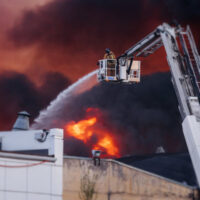
A deadly fire involving a lithium battery factory in South Korea resulted in 23 deaths while nine people were injured in the incident. This became one of the most tragic industrial accidents in recent memory. The investigation proved that such an accident can happen due to quality control and safety issues. This example shows what can happen as a result of battery defects even in relatively safe settings.
For Americans, this event is a good lesson on the need for accountability on the part of manufacturers.
What happened at the Aricell factory?
The fire occurred on June 24, 2024, at an Aricell-operated factory located in Hwaseong City, 28 miles away from Seoul.
Based on information provided by Reuters, the factory had 35,000 lithium batteries at the time of the explosion. The fire quickly spread after a series of explosions, resulting in fire and toxic smoke that harmed workers. Most of the casualties in the explosion were temporary workers and foreigners.
Even though the Aricell factory produced primary lithium batteries rather than lithium-ion rechargeable batteries used in electric cars, bikes, and smartphones, the case shows that catastrophic outcomes can arise from manufacturing problems and a lack of battery safety.
Investigators found serious quality problems
The findings of the investigation were disturbing.
According to the South Korean police, Aricell had failed a quality check in April 2024 on batteries designed for military use. Investigators stated that, after the investigation, the company increased production speed to get rid of the delay and make sure the deadline was met. Temporary and inexperienced workers were hired for production, and the number of defects in the products, including overheating batteries, increased.
Authorities claimed that the company was producing batteries without taking the necessary steps to ensure that the process was safe. Inadequate safety and evacuation training was a major reason for the high death toll.
The investigation resulted in seeking arrest warrants for company executives.
What the fire teaches us about battery product liability
This tragedy from South Korea shows that there is one fundamental rule in product safety: no warning sign can be overlooked by a company just because it is facing production schedule pressure.
This is not so different from lithium-ion batteries sold to American consumers. Contamination of the production process, internal short circuiting, faulty separators, improper installation, and many other problems could cause overheating of the lithium-ion cell. Under some conditions, this issue might lead to ignition of adjacent cells and rapid escalation of fire.
If any abnormally high defect rate, overheating issues, or failures in the quality control process are discovered, manufacturers should investigate and resolve the situation.
Talk to a Lithium-Ion Battery Injury Attorney Today
Halpern, Santos & Pinkert represents the interests of those who have been injured in lithium-ion battery fires. Call our Florida personal injury lawyers today to schedule an appointment, and we can begin discussing your case right away.