

Fuel Containers, Flame Jetting, And Burn Injuries: A Growing Risk For Florida Consumers
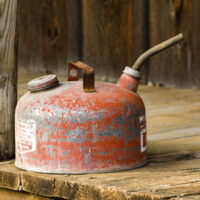
In Florida, portable fuel containers are a part of our daily lives. Most of us don’t really think twice about them. We use them to top off the lawn mower, fuel up the boat, and keep the generator running. In some cases, we use it to light up the fire pit. They’re so common that they just kind of disappear into the background.
But here’s the thing most people don’t know: these containers can be incredibly dangerous. There’s something called flame jetting. It sounds technical, but what it really means is that gasoline vapors can ignite unexpectedly, and when they do, the fire doesn’t just catch, it explodes out of the container in a fast, violent burst. One second, everything seems normal. Next, there’s a wall of flame.
People have been seriously injured this way, and we’re not talking about simple injuries. We’re talking about life-changing burn injuries, deep scars, and trauma that doesn’t go away. And in many cases, the containers weren’t even defective in the traditional sense of the word. They just weren’t built to prevent this kind of thing.
It’s not something anyone expects from something so routine. But that’s exactly why it’s so dangerous.
What is flame jetting?
Flame jetting happens when gasoline vapors within a container ignite, often when the container is tilted near a flame or ember. Gasoline releases fumes that are far more flammable than most people realize. If a container lacks proper flame arrestor technology (like a small safety screen that disrupts ignition) the vapor can ignite and shoot out like a blowtorch. A split second can result in severe burns, engulfing clothing, skin, and surroundings in fire.
The danger is not widely understood by consumers. Many fuel containers sold in the U.S. lack built-in flame mitigation devices for years, despite the technology being inexpensive and well-known to manufacturers.
This is especially relevant in Florida
Florida’s lifestyle makes the risk more common than in many other states. Outdoor cooking, patio firepits, boating, lawn care, hurricane preparedness, and home generators all involve frequent use of gasoline containers. Warm weather also increases vaporization, meaning fumes accumulate more quickly and ignite more easily.
In many flame jetting cases, victims did nothing unusual. There was no reckless behavior or misuse. They handled the fuel in a way that most people would consider normal. The danger lies not in the user’s conduct, but in the failure of the product to prevent ignition.
Manufacturers have a responsibility to make safe products
Manufacturers are aware of flame jetting risks and have long had access to safe containment designs. Yet for decades, many companies sold containers without flame arrestors, without warnings, and without adequate instructions. Under product liability law, companies can be held responsible if a safer, feasible design was available but not used.
Talk to a Florida Product Liability Lawyer Today
Halpern, Santos & Pinkert represent the interests of Florida residents who have been injured by a dangerous or defective product. Call our Florida personal injury lawyers today to schedule an appointment, and we can begin investigating your case right away.