
Counterfeit Lithium-Ion Batteries: Who Is Liable When Fake Replacement Batteries Cause Fires?
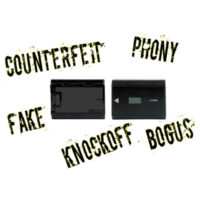
Lithium-ion batteries are used in many devices that are necessary to our daily lives. These devices include cellphones, laptops, power tools, and cameras. If a battery needs to be replaced, the first thing most people think of is buying a cheap replacement online. The problem with this approach is that it is hard to know whether the battery you buy is a real one because counterfeit lithium-ion batteries have become an increasing safety threat. This means that if a fake battery bursts into flames, it can cause serious injury and property damage.
If an explosion occurs, it becomes difficult to establish liability because many factors are involved.
Why counterfeit batteries are so dangerous
Real lithium-ion batteries go through rigorous testing and quality control processes before being marketed for consumer use. The opposite is true for counterfeit batteries, which could be made with low-quality components and not even go through any safety regulations.
Some possible faults in counterfeit batteries include:
- Using lower-quality battery units
- Having defective or reused parts
- Lacking any necessary safety circuitry
- Passing off their units as products of reputable companies
All of these could make the battery susceptible to a problem called “thermal runaway,” where batteries overheat and catch fire or even explode.
Who is liable in a lithium-ion battery fire?
A product liability inquiry will involve determining how the fake battery entered the market and whether other parties contributed to creating a hazardous product for customers.
Depending on the situation, some liable parties could be:
- Manufacturers that manufactured the faulty battery
- Importers or Distributors who brought in the fake goods to the US
- Retailers who offered the battery directly to the consumers
- Companies on online platforms who misled customers into thinking that the fake batteries were genuine products
- Online marketplaces (like Amazon) that made the product available for purchase
In each specific instance, there could be different liable parties.
Evidence can be critical
In the aftermath of a battery fire, the natural next step is to dispose of the faulty product altogether. This would be a huge mistake. Collecting evidence could prove essential for any future product liability case.
Some of the most important pieces of evidence might be:
- The faulty battery and the gadget itself
- The charger being used at the time of the fire
- Package and instructions
- Evidence of purchase
- Photographs of the aftermath and the fire itself
In many cases, engineers need to assess the state of the battery together with other pieces of evidence in order to identify the cause of failure.
Talk to a Florida Lithium-Ion Battery Attorney Today
A lithium-ion battery fire could lead to serious burn injuries, smoke inhalation, property damage, and sometimes death. The affected individual might incur high medical bills and could lose time from work.
If you’ve been injured by a defective lithium-ion battery, call the Florida personal injury lawyers at Halpern, Santos & Pinkert today and we can begin investigating your case right away.
