
When Pressure Washers Explode: What The Ryobi Recall Says About Product Liability In 2025
In early 2025, a massive recall of 764,000 Ryobi electric pressure washers sent shockwaves through both the home improvement industry and the legal community. The recall followed over 135 incident reports, including 41 explosions and 32 injuries to users’ hands, faces, and eyes. For our trial clients, this recall highlights the growing complexity and stakes of modern product-liability litigation.
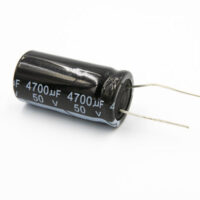
While pressure washers are a staple of home projects, the Ryobi recall shows how quickly an everyday product can become a serious hazard when critical components fail. According to recall documentation, the issue stemmed from faulty capacitors inside the electronics assembly, which could rupture under normal use, sending debris and hot material outward. That type of failure doesn’t just raise safety concerns; it activates nearly every major theory of product liability exposure at the same time: design defects, manufacturing defects, failure to warn, negligent testing, and retailer liability.
Why this recall matters for manufacturers
These days, manufacturers operate in a supply chain so interconnected that a single faulty component can cause problems that ripple across the entire country. It doesn’t take much. If just one part is poorly engineered or not suited to handle the product’s power load, it can open the door to legal and financial consequences for everyone involved, including:
- The original component maker
- The company that assembles the final product
- The brand that sells or licenses the product
- S. importers
- Big-name retailers
The Ryobi recall is a clear example of how critical those early technical decisions really are. Things like capacitor ratings, heat control, or even the choice of plastic used in the housing can result in serious problems. These all stem from engineering choices and can end up costing companies millions in damages. And here’s the hard truth: even when the issue comes from a third-party vendor, the law usually doesn’t let manufacturers off the hook. Liability tends to stick, no matter how far down the chain the problem started.
Implications for retailers and big box stores
Retailers once thought they were insulated from product liability lawsuits unless they sold a visibly damaged or altered product. Those days are over. Courts increasingly treat big-box stores, e-commerce platforms, and even marketplace facilitators as integral parts of the distribution chain.
If an injured consumer can show that a retailer sold the product, profited from it, or acted as a key distributor, claims for strict liability or negligent failure to warn can follow. The Ryobi recall reinforces that retailers must:
- Track defective-product notices in real time
- Remove hazardous inventory promptly
- Provide adequate consumer notification of recalls
- Maintain documentation proving compliance
Failing to do so can expose them to independent liability, even when they didn’t manufacture the dangerous component.
Talk to a Florida Product Liability Lawyer Today
Halpern, Santos & Pinkert represent the interests of Florida residents who have been injured by a dangerous or defective product. Call our Florida personal injury lawyers today to schedule an appointment, and we can begin investigating your case right away.
Source:
cpsc.gov/Recalls/2025/TTI-Outdoor-Power-Equipment-Recalls-RYOBI-Pressure-Washers-Due-to-Projectile-Hazard-Risk-of-Serious-Injury
