
Furniture Tip-Over Recalls: When “Anti-Tip” Safety Measures Fail Children
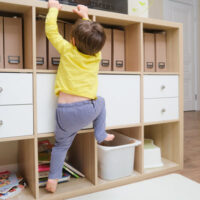
Furniture tip-over accidents remain one of the most dangerous, and preventable, hazards inside American homes. Each year, the U.S. Consumer Product Safety Commission (CPSC) issues recalls for dressers, chests, wardrobes, and shelving units that pose a serious tip-over risk, often after reports of children being injured or killed. Despite warnings and safety standards, these incidents continue to occur, raising difficult questions about product design, marketing, and accountability.
Why are furniture tip-overs so dangerous?
Children are naturally curious. They’ll pull open drawers, climb on furniture, and use whatever they can to reach something just out of reach. But when furniture is unstable, even a small shift in weight can cause it to tip forward. And when it does, the results can be devastating: broken bones, head injuries, internal trauma. In the worst cases, they are fatal.
Many manufacturers promote anti-tip features or include wall-anchoring kits. But time after time, recalls show these measures often don’t hold up in real-world conditions. Sometimes the furniture is simply too top-heavy or poorly balanced from the start. Other times, the hardware meant to secure it is difficult to install, doesn’t fit properly, or just isn’t strong enough to stop a tip-over during everyday use.
Legal issues behind tip-over recalls
When it comes to furniture tip-overs, the legal side can get complex. These cases often involve several different kinds of liability, depending on what went wrong.
Design flaws are a big one. SOme pieces are simply built in a way that makes them prone to tipping. Maybe they’re too top-heavy, not properly balanced, or they fail basic stability standards.
Manufacturing issues can also play a role. Even if the design is sound, parts like brackets, fasteners, or joints can fail during everyday use if they weren’t made or assembled correctly.
Then there’s the lack of clear warnings. Sometimes the instructions download the risk, bury important safety info in the fine print, or use vague language that doesn’t really explain how dangerous a tip-over can be.
And marketing claims can add to the problem. When furniture is labeled as “child-safe” or “anti-tip”, it can give parents a false sense of security, especially if those claims don’t hold up under real-world conditions.
One thing families should know: just because a product gets recalled doesn’t mean the manufacturer is off the hook. If a child was hurt before the recall was announced, or if the recall notice never made it to the household, there may still be strong legal grounds for a lawsuit.
When to speak with a product liability attorney
If you own recalled furniture, the CPSC generally advises stopping use immediately and following the manufacturer’s repair, refund, or replacement instructions. But when a child has already been harmed, the issue goes far beyond compliance with a recall notice.
Medical bills, long-term care needs, emotional trauma, and permanent disability can place an overwhelming burden on families. Product liability law exists to ensure that manufacturers bear responsibility when unsafe products cause preventable harm.
Talk to a Florida Product Liability Lawyer Today
Halpern, Santos & Pinkert represent the interests of Florida residents who have been injured by a dangerous or defective product. Call our Florida personal injury lawyers today to schedule an appointment, and we can begin discussing your next steps right away.
