
Cybertruck Crash Ends Up As Product Liability Lawsuits
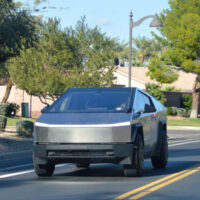
When it comes to automotive product liability, the stakes are enormous. Hundreds of millions of dollars in damages and catastrophic injuries can happen. Recently, Tesla has been thrust into the spotlight following lawsuits over a fatal Cybertruck crash in Piedmont, California. In this case, plaintiffs allege that design defects in the electric door handles and a lack of accessible manual overrides can trap drivers inside the car, leading to tragic outcomes.
According to the plaintiffs, the occupants could not exit the vehicle because the powered door mechanisms failed when the car lost power. In addition, the backup mechanical releases were too obscure to find in smoke and darkness under intense pressure.
Viable theories of vehicle product liability lawsuits
- Design defect – The plaintiffs will allege that Tesla should have employed more robust, fail-safe mechanical overrides, redundant power backups, and simpler egress options. In design defect claims, the plaintiff must show that a safer alternative was feasible for the company, that the risks were foreseeable, and the alternative’s cost wasn’t prohibitive. In the context of vehicles, topics like “crashworthiness” frequently come into play.
- Manufacturing defect – In some cases, only some of the vehicles have a key defect. If that’s the case, then the plaintiffs can argue that a manufacturing defect is responsible for their injuries.
- Failure to warn – Plaintiffs can argue that the manufacturer failed to warn them about a known danger. Vehicles generally come with extensive manuals that warn the user of known dangers. In the Cybertruck case, plaintiffs argue that the omission of clear instructions for manual override is partly to blame for preventable deaths.
- Post-sale duty – Once a manufacturer learns of complaints or defects, it must report the issue and act. If Tesla had internal complaints of prior door malfunctions, plaintiffs will find those during discovery. Then the question becomes: Was the recall effort adequate?
Key considerations in lawsuits against auto manufacturers
- Preemption and federal safety standards – Automotive claims generally contend with claims of preemption under the National Traffic and Motor Vehicle Safety Act. The defense can also argue that they complied with federal standards.
- Causation, crash reconstruction, “but for” arguments – Plaintiffs must show not only that there was a defect, but that the defect “caused” the plaintiff’s injury. In a crash, multiple forces can collide. Expert testimony in accident reconstruction, and more is often required.
- Expert testimony – Jurors are often faced with complex testimony provided by mechanical engineers concerning the crash and its cause.
- Multiple defendants – Vehicles are assembled from components that come from multiple different companies. In some cases, other companies other than the manufacturer of the car itself can be sued.
- Statute of limitations – Florida residents have two years to file a lawsuit against the manufacturer or they lose that right entirely.
Talk to a Florida Product Liability Attorney Today
Halpern, Santos & Pinkert represent the interests of Florida residents who have been injured by a dangerous or defective product. Call our Florida personal injury lawyers today to schedule an appointment, and we can begin discussing your next steps right away.
